




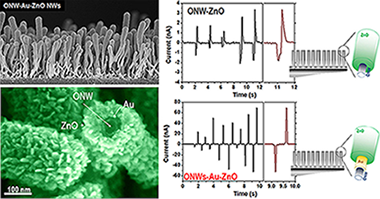
The thin film configuration presents obvious practical advantages over the 1D implementation in energy harvesting systems such as easily manufacturing and processing, and long-lasting and stable devices. However, ZnO-based piezoelectric nanogenerators (PENGs) generally rely on the exploitation of single-crystalline nanowires because of their self-orientation in the c-axis direction and ability to accommodate long deformations resulting in high piezoelectric performance. Herein, we show an innovative approach to produce PENGs by combining polycrystalline ZnO layers fabricated at room temperature by plasma-assisted deposition with supported small-molecule organic nanowires (ONWs) acting as 1D scaffolds. Such hybrid nanostructures present convoluted core-shell morphology, formed by a single-crystalline organic nanowire conformally surrounded by a poly-crystalline ZnO shell and combine the organic core mechanical properties with the ZnO layer piezoelectric response. In a step forward towards the integration of multiple functions within a single wire, we have also developed ONW-Au-ZnO nanoarchitectures including a gold shell acting as inner electrode achieving output piezo-voltages up to 170 mV. The synergistic combination of functionalities in the ONW-Au-ZnO devices promotes an enhanced performance generating piezo-currents one order of magnitude larger than the ONW-ZnO nanowires and superior to the thin film nanogenerators for equivalent and higher thicknesses.
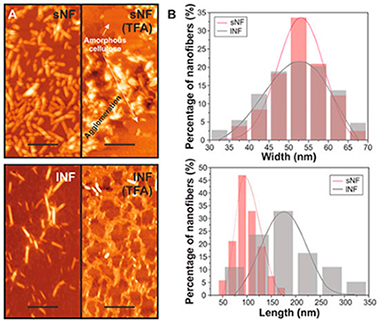
All-cellulose composites with a potential application as food packaging films were prepared by dissolving microcrystalline cellulose in a mixture of trifluoroacetic acid and trifluoroacetic anhydride, adding cellulose nanofibers, and evaporating the solvents. First, the effect of the solvents on the morphology, structure, and thermal properties of the nanofibers was evaluated by atomic force microscopy (AFM), X-ray diffraction (XRD), and thermogravimetric analysis (TGA), respectively. An important reduction in the crystallinity was observed. Then, the optical, morphological, mechanical, and water barrier properties of the nanocomposites were determined. In general, the final properties of the composites depended on the nanocellulose content. Thus, although the transparency decreased with the amount of cellulose nanofibers due to increased light scattering, normalized transmittance values were higher than 80% in all the cases. On the other hand, the best mechanical properties were achieved for concentrations of nanofibers between 5 and 9 wt.%. At higher concentrations, the cellulose nanofibers aggregated and/or folded, decreasing the mechanical parameters as confirmed analytically by modeling of the composite Young's modulus. Finally, regarding the water barrier properties, water uptake was not affected by the presence of cellulose nanofibers while water permeability was reduced because of the higher tortuosity induced by the nanocelluloses. In view of such properties, these materials are suggested as food packaging films.
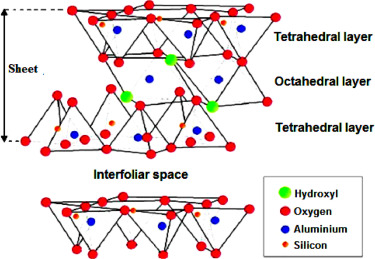
We successfully synthesized an efficient photoactive pyrophyllite/TiO2 heterostructures using a sol-gel route at ambient temperature. The samples were prepared by exfoliation of a pyrophyllite layered-type clay by TiO2. The prepared samples exhibited strong photocatalytic activity for the degradation of phenol. The heterostructure PTi750 (SBET = 16.58 m2/g) calcined at 750 °C, in which the mixed phases of anatase and rutile exist (52.2% anatase/10.7% rutile), showed the highest photocatalytic activity against commercial TiO2Aeroxide P25. The methanol washed PTi750 was 5 times faster than the corresponding unwashed sample; phenol was totally degraded with a TOC reduction of 89.2%. The materials have been characterized by: X-ray diffraction (XRD), Diffuse reflectance UV–vis spectrophotometry (UV–Vis DRS), scanning electron microscopy (SEM) and BET specific surface area.
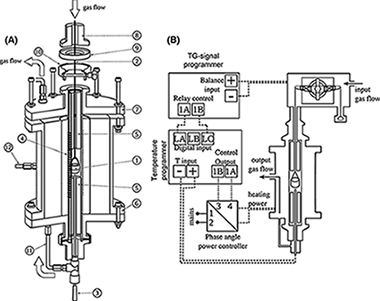
The potential of controlled rate thermal analysis (CRTA) for studying high-pressure gas-solid processes has been evaluated. CRTA is a type of smart temperature program based on a feedback system that uses any experimental signal related to the process evolution for commanding the temperature evolution. In this work, an instrument that uses the gravimetric signal for CRTA control has been designed and used for the study of two high-pressure gas-solid reactions: the highly exothermic thermal oxidation of TiC under high pressure of oxygen and the reduction in Fe2O3 under high pressure of hydrogen. Advantages of CRTA for discriminating overlapping processes and appraising kinetic reaction mechanisms are shown.
The Alcazar Palace (Seville, Spain) is famous for its ceramic decorations; 16th century wall tiles of different typologies have been analyzed in order to relate the manufacturing process of their colored glazes to the evolving technologies of the Renaissance. Chemical and mineralogical compositions have been determined in situ by nondestructive X-ray fluorescence and X-ray diffraction on arista ceramics in the Cenador de Carlos Quinto, and majolica ceramics in the Palacio Gotico and the Royal oratory. The arista style belongs to the local Hispano-Moresque ceramic tradition. Majolica tiles have the complex microstructures of glazes from Italy. The two types are clearly differentiated by their typology, morphology (curved vs flat surface), and also microstructure (single vs multi-layers), glaze chemistry, and use of different coloring agents. Moreover, we found different glaze chemistries in the investigated majolicas, which correspond to different artists and/or practices.
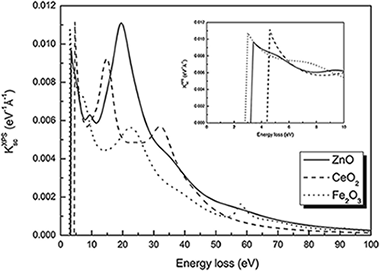
Metal oxides are important for current development in nanotechnology. X‐ray photoelectron spectroscopy(XPS) is a widely used technique to study the oxidation states of metals, and a basic understanding of the photoexcitation process is important to obtain the full information from XPS. We have studied core level excitations of Zn 2p, Fe 2p, and Ce 3d photoelectron emissions from ZnO, α‐Fe2O3, and CeO2. Using an effective energy‐differential XPS inelastic‐scattering cross section evaluated within the semiclassical dielectric response model for XPS, we analysed the experimental spectra to determine the corresponding primary excitation spectra, ie, the initial excitation processes. We find that simple emission (Zn 2p) as well as complex multiplet photoemission spectra (Fe 2p and Ce 3d) can be quantitatively analysed with our procedure. Moreover, for α‐Fe2O3, it is possible to use the software package CTM4XAS (Charge Transfer Multiplet program for X‐ray Absorption Spectroscopy) to calculate its primary excitation spectrum within a quantum mechanical model, and it was found to be in good agreement with the spectrum determined by analysis of the experiment.
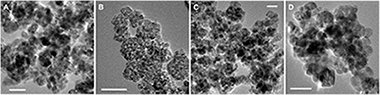
The potential human health risks following the exposure to inorganic nanoparticles (NPs) is a very important issue for their application in leather finishing industry. The aim of our study was to investigate the cytotoxic effect of silver (Ag)/titanium dioxide (TiO2) NPs on human cells. Photocatalytic NPs were prepared by electrochemical deposition of Ag on the surface of TiO2 and nitrogen (N)-TiO2 NPs and, subsequently, physicochemical characterized. Then, a set of experiments have been performed to study the cytotoxicity and cell death mechanisms involved, the changes in cell morphology and the production of ROS induced in human keratinocytes (HaCaT) and human lung epithelial cells (A549) by exposure to NPs. Moreover, the changes in major signaling pathways and the inflammatory response induced by Ag/N-TiO2 NPs in A549 cells were investigated. The data showed that cell death by late apoptosis/necrosis is induced in cells as function of the dose and the type of NPs and is characterized by morphological changes and cytoskeletal disorganization and an increase in reactive oxygen species (ROS) production. The exposure of A549 cells to Ag/N-TiO2 NPs determine the activation of ERK1/2 MAP-kinase pathway and the release of pro-inflammatory mediators CXCL1, GM-CSF and MIF, known to be involved in the recruitment of circulating neutrophils and monocytes.
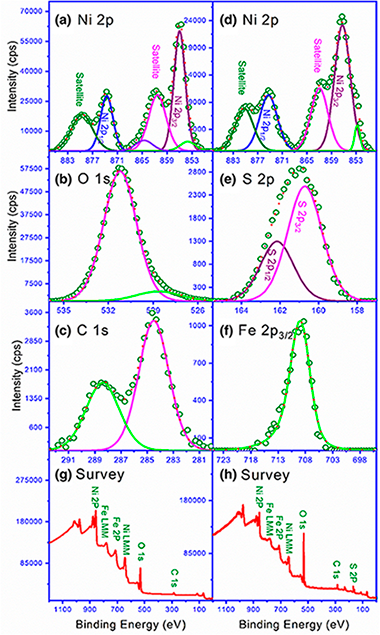
In this study, electrochemical energy storage performances of an efficient Ni-Fe sulfide and hydroxide supported on porous nickel foam are compared. X-ray diffraction (XRD), X-rayphotoelectron spectroscopy (XPS) and energy-dispersive X-ray spectrometer (EDS) results confirmed the formation of Ni-Fe-S and Ni-Fe-OH electrodes. In addition, Brunauer-Emmett Teller (BET) was used to determine the specific surface area of the prepared materials. Moreover, the morphologies were observed by scanning electron microscopy (SEM). The brilliant characteristics of Ni-Fe-S could be attributed to transport acceleration in electrolyte ions and electrons, occurrence of redox reactions as well as the higher conductivity of the sample. From stand point of comparison, the capacitance of Ni-Fe-S is more than that of Ni-Fe-OH. Therefore, the exchange of O2- with S2- in Ni-Fe-OH lattice obviously improves the electrochemical performance. The as-fabricated Ni-Fe sulfide electrode exhibits a tremendous specific capacitance of 884.9Fg(-1) at 1A g(-1). Furthermore, an assembled asymmetric supercapacitor device using the activated carbon as negative electrode and this smart configuration (Ni-Fe-S) as positive electrode also provided a maximum specific power and specific energy of 8000Wkg(-1), 37.9 Whkg(-1), respectively. Also, it shows cycling stability with 88.8% capacitance retention after 1700 cycles in aqueous electrolyte, demonstrating its potential application in the next-generation high-performance supercapacitors used for energy storage.
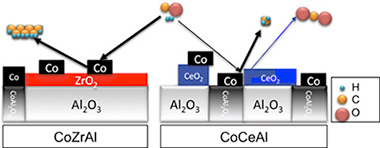
A series of cobalt-based catalysts have been synthesized using as support gamma-Al2O3 promoted by ceria/zirconia mixed oxides with a variable Ce/Zr molar ratio. The obtained catalysts demonstrated oxide promotion results in the protection of the major textural properties, especially for Zr-rich solids. Reducibility of cobalt species was enhanced by the presence of mixed oxides. The chemical composition of the oxide promoter influenced not only physicochemical properties of final catalysts but also determined their performance during the reaction. In this sense, Zr-rich systems presented a superior catalytic performance both in total conversion and in selectivity towards long chain hydrocarbons. The observed Zr-promotion effect could be explained by two significant contributions: firstly, the partial inhibition of Co-Al spinel compound formation by the presence of Zr-rich phases which enhances the availability of Co actives site and secondly, Zr-associate acidic sites promote higher hydrocarbons selectivity.
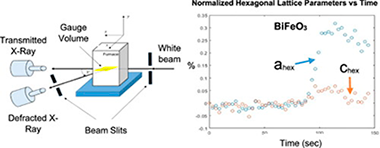
BiFeO3 has a Curie temperature (T-c) of 825 degrees C, making it difficult to sinter using conventional methods while maintaining the purity of the material, as unavoidably secondary phases appear at temperatures above T-c Flash sintering is a relatively new technique that saves time and energy compared to other sintering methods. BiFeO3 was flash sintered at 500 degrees C to achieve 90% densification. In-situ energy dispersive X-ray diffraction (EDXRD) revealed that the material did not undergo any phase transformation, having been sintered well below the Tc. Interestingly, anisotropic lattice expansion in the material was observed when the sample was exposed to the electric field.
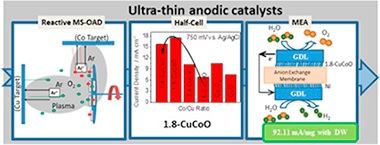
CuxCo3-xO4 ultra-thin films, deposited by magnetron sputtering at oblique angles have been used as anodic catalysts in anion exchange membrane water electrolysers. It has been demonstrated that the used deposition procedure provides porous and amorphous samples with a strict control of the total catalyst load and Co/Cu ratio. Electrocatalytic tests showed a maximum performance for the oxygen evolution reaction at Co/Cu atomic ratio around 1.8. The optimized anodic catalyst presented a long-term stability confirmed by accelerated lifetime tests together with the chemical surface analysis of the used samples. The effect of the crystallization of a single layer CuxCo3-xO4 and a multilayer (CuO/Co3O4)(n) anodic catalyst samples was also investigated. The observed loss of catalytic performance found in both cases may prove that a particular local chemical environment around the Co and Cu sites acts as an efficient catalytic site for the oxygen evolution reaction. A catalyst film with the optimum Co/Cu atomic ratio was incorporated into a Membrane Electrode Assembly, using a sputtered Ni film as cathode. Current density values up to 100 mA cm(-2) at 2.0 V were obtained in 1.0 M KOH electrolyte. Upon normalization by the amount of catalyst, this performance is one of the highest reported in literature.
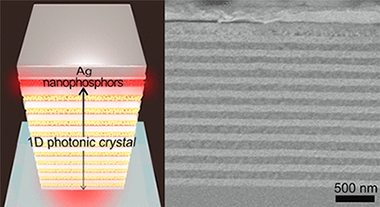
Rare-earth-based phosphors are the materials on which current solid-state lighting technology is built. However, their large crystal size impedes the tuning, optimization, or manipulation of emitted light that can be achieved by their integration in nanophotonic architectures. Herein we demonstrate a hybrid plasmonic-photonic architecture capable of both channeling in a specific direction and enhancing by eight times the emission radiated by a macroscopically wide layer of nanophosphors. In order to do so, a slab of rare-earth-based nanocrystals is inserted between a dielectric multilayer and a metal film, following a rational design that optimizes the coupling of nanophosphor emission to collective modes sustained by the metal-dielectric system. Our approach is advantageous for the optimization of solid-state lighting systems.
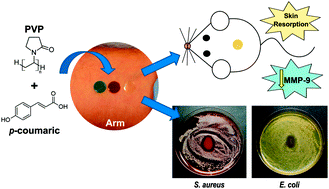
Polyvinylpyrrolidone (PVP) has probably been one of the most utilized pharmaceutical polymers with applications ranging from a blood plasma substitute to nanoparticle drug delivery, since its synthesis in 1939. It is a highly biocompatible, non-toxic and transparent film forming polymer. Although high solubility of PVP in aqueous environment is advantageous, it still poses several problems for some applications in which sustained targeting and release are needed or hydrophobic drug inclusion and delivery systems are to be designed. In this study, we demonstrate that a common dietary phenolic antioxidant, p-coumaric acid (PCA), can be combined with PVP covering a wide range of molar ratios by solution blending in ethanol, forming new transparent biomaterial films with antiseptic and antioxidant properties. PCA not only acts as an effective natural plasticizer but also establishes H-bonds with PVP increasing its resistance to water dissolution. PCA could be released in a sustained manner up to a period of 3 days depending on the PVP/ PCA molar ratio. Sustained drug delivery potential of the films was studied using methylene blue and carminic acid as model drugs, indicating that the release can be controlled. Antioxidant and remodeling properties of the films were evaluated in vitro by free radical cation scavenging assay and in vivo on a murine model, respectively. Furthermore, the material resorption of films was slower as PCA concentration increased, as observed from the in vivo full-thickness excision model. Finally, the antibacterial activity of the films against common pathogens such as Escherichia coli and Staphylococcus aureus and the effective reduction of inflammatory agents such as matrix metallopeptidases were demonstrated. All these properties suggest that these new transparent PVP/ PCA films can find a plethora of applications in pharmaceutical sciences including skin and wound care.
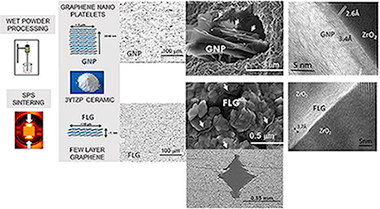
The graphene family comprises not only single layer graphene but also graphene-based nanomaterials (GBN), with remarkably different number of layers, lateral dimension and price. In this work, two of these GBN, namely graphene nanoplatelets (GNP) with n similar to 15-30 layers and few-layer graphene (FLG) with n < 3 layers have been evaluated as fillers in 3 mol% yttria stabilized tetragonal zirconia (3YTZP) ceramic composites. Composites with 10 and 20 vol% GNP or FLG have been fabricated by wet powder processing and spark plasma sintering (SPS) and the influence of the content and number of layers of the graphene-based filler has been assessed. For both graphene-based fillers, an intermediate zirconia oxycarbide has been detected in the grain boundaries. The lower stacking degree and much more homogeneous distribution of the FLG, revealed by transmission electron microscopy (TEM), can improve load transfer between the GBNs and the ceramic matrix. However, high FLG contents lower densification of the composites, due partly to the larger FLG interplanar spacing also estimated by TEM. The hardness (both Vickers and nanoindentation) and the elastic modulus decrease with increased GBN content and with improved graphene dispersion. The FLG greatly inhibit the crack propagation that occur perpendicular to their preferential orientation plane. The composites with thinner FLG have higher electrical conductivity than those with GNP. The highest electrical conductivity is achieved by composites with 20 vol% FLG in the direction perpendicular to the compression axis during sintering, sigma(perpendicular to) = 3400 +/- 500 Sm-1.
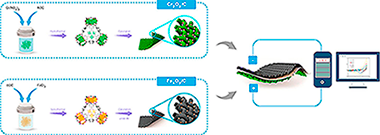
In the present study, two kinds of metal oxide/carbon nanocomposite were prepared through calcination of MIL-101(Fe, Cr). The morphological and structural properties of the specimens were investigated using X-ray diffraction, Fourier-transform infrared spectroscopy, Brunauer, Emmett, and Teller analysis, energy dispersive Xray spectroscopy, X-ray photoelectron spectroscopy and scanning electron microscopy. The electrode materials were also electrochemically investigated using cyclic voltammetry, galvanostatic charge-discharge and electrochemical impedance spectroscopy techniques in 6 M KOH electrolyte. Because of synergistic effect of metal oxides and carbon, the obtained samples showed excellent performance; in a way that Cr2O3/C and Fe Oy/C showed high specific capacitance of 420 F g(-1) and 114 F g(-1) at current density of 2 A g(-1), respectively. The Cr2O3/C electrode also displayed high rate capability even at scan rate of 1500 mV s(-1). Moreover, we successfully developed an asymmetric supercapacitor in which Cr2O3/C served as positive electrode and Fe Oy/C served as negative electrode. The asymmetric device can deliver an energy density of 9.6 W h kg(-1) and power density of 8000 W kg(-1), with 93% capacitance retention after 3000 charge-discharge cycles. These outcomes show that the MOF-derived metal oxide/carbon composite can be regarded as a promising development for advanced electrode materials for applying in supercapacitors.
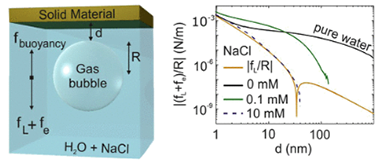
Gas bubbles in a water-filled cavity move upward because of buoyancy. Near the roof, additional forces come into play, such as Lifshitz, double layer, and hydrodynamic forces. Below uncharged metallic surfaces, repulsive Lifshitz forces combined with buoyancy forces provide a way to trap micrometer-sized bubbles. We demonstrate how bubbles of this size can be stably trapped at experimentally accessible distances, the distances being tunable with the surface material. By contrast, large bubbles (>= 100 mu m) are usually pushed toward the roof by buoyancy forces and adhere to the surface. Gas bubbles with radii ranging from 1 to 10 mu m can be trapped at equilibrium distances from 190 to 35 nm. As a model for rock, sand grains, and biosurfaces, we consider dielectric materials such as silica and polystyrene, whereas aluminium, gold, and silver are the examples of metal surfaces. Finally, we demonstrate that the presence of surface charges further strengthens the trapping by inducing ion adsorption forces.
Bioplastics were prepared from the fatty fraction (i.e., unsaturated and polyhydroxylated fatty acids) of tomato pomace agro-wastes. Aliphatic polyesters were synthesized at different temperatures (125, 150, and 175 °C), reaction times (0.25, 0.5, 0.75, 1, 3, 5, and 7 h), and amounts of tin (II) 2-ethylhexanoate (0, 0.02, 0.05, and 0.10 mmol) used as a catalyst. The rate constants and activation energies were calculated from infrared spectra. The right combination of reaction temperature and amount of catalyst improved the reaction kinetics (apparent k from ∼1 to ∼8.5 h−1), whereas the activation energy was reduced from ∼39 without catalyst to ∼28 kJ/mol when tin (II) 2-ethylhexanoate was present. Glass transitions between ca. −25 and ∼0 °C were measured by differential scanning calorimetry, strictly depending on the degree of polymerization. The amorphous character of the samples was confirmed by X-ray diffraction. Young's modulus and hardness were calculated from indentation tests and were typical of soft materials, although increased as the polycondensation reaction progressed. High water-contact angles (maximum value ∼109°) and low water uptakes (minimum value ∼2.1%) were determined. Physical properties were compared with those of common man-made plastics and polymers, finding that these tomato pomace bioplastics could be their realistic alternatives.
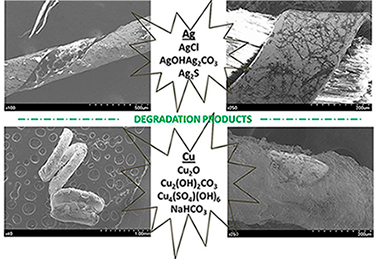
The degradation processes that occurred on metal threads applied in the embroidery used for clothing and in the ornamentation of sculptures, the Sevillian Holy Week processions, and Portuguese and Spanish palace and museum are thoroughly analyzed. Some threads from the 14th and 18–19th centuries were considered. In the metal threads, sulphur- and chlorine-based compounds were detected either individually or together, depending on the degradation process. Basic silver carbonate, sodium bicarbonate and copper-based compounds were also observed. The different degradation processes were attributed to different factors, such as environmental contamination, degradation of the fibrous cores, and inadequate cleaning and/or mechanical treatments.
With the aim of studying exotic nuclei close to the proton dripline, an innovative He-3 target was produced and tested in a collaboration between the Materials Science Institute of Seville (Spain) and the Legnaro National Laboratories (Italy). The target was manufactured with a new technique that aims to reduce the costs while providing high quality targets. The target was tested at the Legnaro National Laboratories. The results of this test are presented in this contribution.
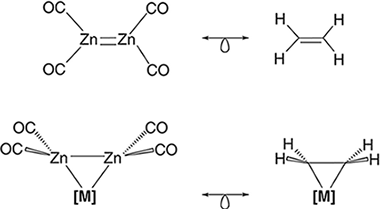
The theoretical knowledge about the zinc-zinc bond has been recently expanded after the proposal of a zinc-zinc double bond in several [Zn-2(L)(4)] compounds (Angew. Chem. Int. Ed.2017, 56, 10151-10155). Prompted by these results, we have selected the [Zn-2(CO)(4)] species, isolobally related to ethylene, and theoretically investigated the possible (2)-Zn-2-coordination to several first-row transition metal fragments. The [Zn-2(CO)(4)] coordination to the metal fragment produces an elongation of the dizinc bond and a concomitant pyramidalization of the [Zn(CO)(2)] unit. These structural parameters are indicative of -backdonation from the metal to the coordinated dizinc moiety, as occurred with ethylene ligand. A quantum theory of atoms in molecules study of the ZnZn bond shows a decrease of (BCP), delta(2)(BCP) (ZnZn) and delocalization indexes (Zn,Zn), relative to corresponding values in the parent [Zn-2(CO)(4)] molecule. The ZnZn and MZn bonds in these [((2)-Zn-2(CO)(4))M(L)(n)] complexes can be described as shared interactions with an important covalent component where the ZnZn bond is preserved, albeit weakened, upon coordination.
The identification of archaeological amber has been used in Iberian prehistory to evidence long-distance exchanges and engage Iberia in networks that connect western Europe with central and northern Europe, the emergence of social complexity, and the consolidation of trade networks. However, until now, no comprehensive analytical study of the Iberian amber has been produced to support any of the interpretive models currently in use. This paper approaches the analysis of Iberian Peninsula amber artefacts by considering their provenance (based on FTIR characterization), chronology, and spatial relationship with other exotica. Our work increases the number of analyzed artefacts to 156 (24%), out of the c. 647 currently known for the Iberian Peninsula. Based on these new data and a review of Murillo-Barroso and Martinon-Torres (2012), this overview outlines amber consumption patterns from the 6th to 2nd millennia BCE and demonstrates long-distance amber exchange connecting Iberia with the Mediterranean region from the Neolithic period onwards.
The influence of the protecting agent's nature on gold particle size and dispersion was studied in this work over a series of gold-based catalysts. CO and glucose oxidation were chosen as catalytic reactions to determine the catalyst's structure-activity relationship. The nature of the support appeared to be the predominant factor for the increase in activity, as the oxygen mobility was decisive for the CO oxidation in the same way that the Lewis acidity was decisive for the glucose oxidation. For the same catalyst composition, the use of montmorillonite as the stabilizing agent resulted in better catalytic performance.

Although thin film porosity is the basis of many optical sensors, it can be deleterious for a stable optical behavior of passive optical elements due to the condensation of water and other vapors in their pores. This paper proposes a new strategy for the magnetron sputtering (MS) fabrication of environmentally tight SiO2-TiO2 porous multilayers. Thin films of these two oxides deposited in an oblique angle configuration (MS-OAD) present a nanocolumnar and highly porous nanostructure and, as a consequence, experience significant changes in their optical properties when exposed to water vapor. Similarly, the optical properties of Bragg reflectors and Bragg microcavities made of the stacking of porous and compact SiO2 and TiO2 thin films experience reversible changes when these 1D-photonic structures are exposed to water pressure. A key finding of this work is that a very thin capping layer of SiO2 deposited on the surface of porous SiO2 films in the stack, at the interlayer between the two oxides, efficiently seals the pores making the photonic structures environmentally tight. This capping layer approach is a useful strategy to incorporate porosity as an additional parameter to design the optical behavior of planar photonic structures while preserving optical and environmental stability.
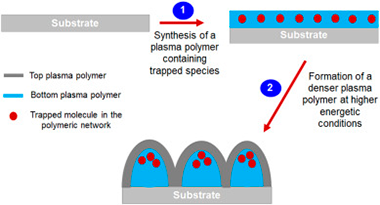
This work aims at presenting an innovative method for tailoring the morphology of functionalized plasma polymer films (PPF). The approach is based on the formation of a plasma polymer bilayer system in which the two layers differ by their chemical composition and cross-linking degree. As a case study, propanethiol-based plasma polymer films have been investigated. As revealed by a much higher S/C ratio than in the propanethiol precursor (i.e. 0.83 vs 0.33), it has been demonstrated that the bottom layer contains a large fraction of trapped sulfur-based molecules (e.g. H2S). When further covered by a denser PPF formed at higher energetic conditions, a three-dimensional morphological reorganization takes place giving rise to the micro/nano structuration of the organic material. The shape, the dimensions as well as the density of the generated structures are found to depend on the thickness of both coatings involved in the bilayer structure, offering a great flexibility for surface engineering. Annealing experiments unambiguously confirm the major role played by the sulfur-based trapped molecules for inducing the reshaping process. The whole set of data clearly paves the way for the development of an innovative approach for finely tailoring the morphology of functionalized PPF at the micro/nano scale.
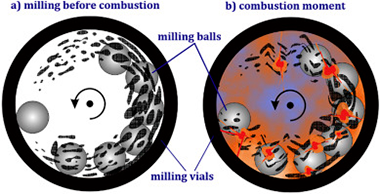
The nanoparticles of vanadium, niobium, and tantalum carbides were synthesized by a mechanically induced magnesiothermic combustion in the separate Mg/V2O5/C, Mg/Nb2O5/C, and Mg/Ta2O5/C systems. Initial materials in these systems ignited after short milling times of 10, 10, and 23 min, respectively. X-ray diffraction (XRD), X-ray photoelectron spectroscopy (XPS), energy-dispersive X-ray spectroscopy (EDS), high-resolution transmission electron microscopy (HRTEM) and elemental mapping techniques were employed to characterize the combustion products. In this process, magnesium reduces initial oxides to generate elemental V/Nb/Ta to react with carbon, forming the carbide phases.

Lead halide perovskite nanocrystals have demonstrated their potential as active materials for optoelectronic applications over the past few years. Nevertheless, one issue that hampers their applicability has to do with the observation of photoluminescence intermittency, commonly referred to as "blinking", as in their inorganic counterparts. Such behavior, reported for structures well above the quantum confinement regime, has been discussed to be strongly related to the presence of charge carrier traps. In this work, we analyze the characteristics of this intermittency and explore the dependence on the surrounding atmosphere, showing evidence for the critical role played by the presence of oxygen. We discuss a possible mechanism in which a constant creation/annihilation of halide-related carrier traps takes place under light irradiation, with the dominant rate being determined by the atmosphere.
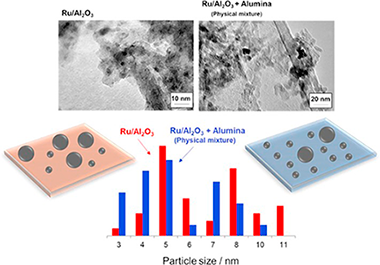
Routinely, it seems assumed that the catalytic layer coated on monoliths and microchannel reactors preserve the properties of the initial powder catalyst. However, this assumption should be reasonably demonstrated since the set of chemical and physical manipulations involved in the preparation of these catalytic devices hardly does not alter the surface of the starting catalyst powders. This work aims to evaluate the transformations that takes place in a model Ru/Al2O3 catalyst during a typical slurry preparation procedure and their impact on the catalytic performance for the CO methanation reaction and the selective methanation of CO in CO2-rich reformate gases. For this purpose, we have conducted an in situ comprehensive study by means of Fourier Transform Infrared Spectroscopy (FTIR) in which the nature of the species present on the surface of the catalyst during CO hydrogenation was analyzed. This study reveals that during the preparation of the slurry the starting Ru/Al2O3 catalyst suffers a redispersion of metallic Ru particles and more surface hydroxyls are created by the incorporation of additional alumina. These modifications have a noticeable influence in the catalytic performance and despite their importance, these aspects have been poorly considered in other studies.
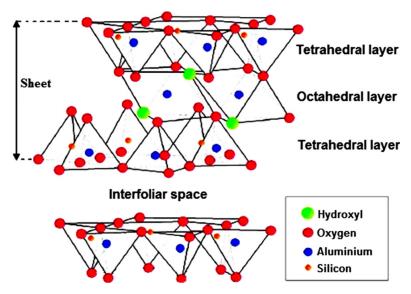
The copper-impregnated pyrophyllite (Cu/RC) was prepared and used as catalyst in catalytic wet peroxide oxidation (CWPO) of phenol. The catalyst was prepared by impregnation of copper (2.5 wt%) into pyrophyllite-type clay and characterized by X-ray diffraction, X-ray fluorescence, X-ray photoelectron spectroscopy, Fourier transform infrared spectroscopy, and transmission electron microscopy. The optimum operation conditions for CWPO of phenol over Cu/RC were determined by investigating the effects of pH, temperature, catalyst amount, and hydrogen peroxide concentration. Stability of the Cu/RC catalyst and toxicity of treated solution were studied, by measuring the copper concentration leached out from the catalyst and the inhibition of Vibrio fischeri bacteria bioluminescence, respectively. The probable degradation mechanism of phenol over Cu/RC was considered by HPLC analysis. The obtained results showed that Cu/RC achieved highest activity (total phenol degradation and 80% TOC reduction) and detoxification with remarkable low copper leaching concentration (0.006 mg\,L−1)mg\,L−1) at optimized conditions (pH == 3, T=50∘T=50∘C, 2 g\,L−1g\,L−1 catalyst amount, 50 mg L−1L−1phenol concentration and 7.45 mmol\,L−1mmol\,L−1 hydrogen peroxide concentration during 4 h). Meanwhile, few intermediates with low concentration were observed by the HPLC analysis for the CWPO of phenol. The Cu/RC catalyst showed a good activity after five successive runs (88% of degradation and 73% mineralization) at optimized conditions.
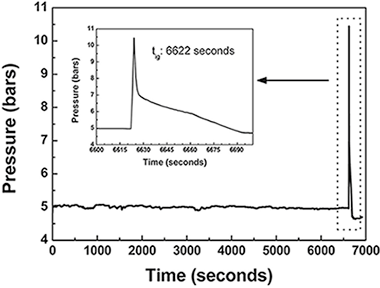
The ignition time (tig) of the mechanically induced self-sustaining reaction (MSR) process involving the formation of TiB2 from Ti/2B elemental mixtures was used to study the influence of the ratio (k = -ωv/ωd) between the rotational speed of the supporting disc (ωd) and vials (ωv) on the milling efficiency of a Pulverisette 4 planetary mill. The variation of the inverse of the ignition time (1/tig), which is directly related to the milling power provided by the planetary mill, with the process conditions has shown that it is not possible to find a single k value as optimal independently of the experimental conditions used (ωd and the ball-to-powder ratio, BPR). Moreover, it was observed that the lowest milling efficiency (longer tig values) was found for k = 1, which is the usual value employed in routine laboratory works. The best efficiencies were found for the larger k values (2.5 or 3). At lower ωd, the shortest tig was obtained for k = 2.5 and at higher ωd for k = 3, independently of BPR.
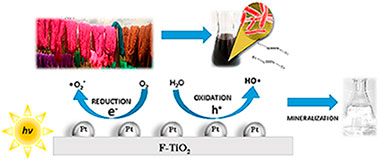
In this study, commercial and lab-prepared TiO2 were modified by fluorination and platinum photodeposition; and the effect of these modifications over the physicochemical and photocatalytic properties of TiO2 was evaluated. It was found that F and Pt addition leads to the modification of the optical and textural properties of TiO2. The materials prepared were tested in the photocatalytic degradation of different organic dyestuffs such as methylene blue (MB) and methyl orange (MO); the degradation of commercial anilines employed in the staining of natural fibers was also evaluated. Photocatalysis was also studied in this work as an eco-friendly treatment of wastewater coming from handicrafts factories. In general it was observed that the effectiveness of the photocatalytic treatment strongly depends on the substrate to be degraded, thus, fluorinated and platinized commercial Titania (Pt-F-P25) showed the best photocatalytic performance in the MB and MO photodegradation and in contrast, in the case of the anilines the highest degradation was obtained over commercial TiO2 fluorinated (F-P25). These results can be explained by differences observed in the structure and in the adsorption of these dyestuffs over the photocatalysts surfaces. F-P25 photocatalyst also demonstrated to be the best material for the treatment of real wastewater coming from handicrafts factories.
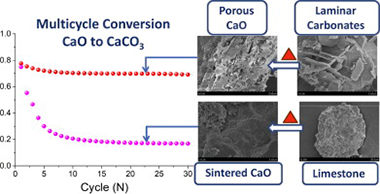
High energy density, cycling stability, low cost and scalability are the main features required for thermochemical energy storage systems to achieve a feasible integration in Concentrating Solar Power plants (CSP). While no system has been found to fully satisfy all these requirements, the reversible CaO/CaCO3 carbonation reaction (CaL) is one of the most promising since CaO natural precursors are affordable and earth-abundant. However, CaO particles progressively deactivate due to sintering-induced morphological changes during repeated carbonation and calcinations cycles. In this work, we have prepared acicular calcium and magnesium acetate precursors using a simple, cost-effective and easily scalable technique that requires just the natural minerals and acetic acid, thereby avoiding expensive reactants and environmentally unfriendly solvents. Upon thermal decomposition, these precursors yield a stable porous structure comprised of well dispersed MgO nanoparticles coating the CaO/CaCO3 grains that is resistant to pore-plugging and sintering while at the same time exhibits high long term effective conversion. Process simulations show that the employment of these materials could significantly improve the overall CSP-CaL efficiency at the industrial level.
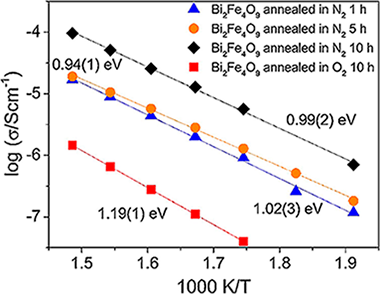
Bi2Fe4O9 was prepared by solid-state reaction and the electrical properties measured by impedance spectroscopy. After annealing in O-2 at 900 degrees C, Bi2Fe4O9 is an electrically-homogeneous insulator. Its high frequency permittivity is constant (similar to 14.1) over the temperature range 300-400 degrees C and shows no evidence of incipient ferroelectricity at lower temperatures. On annealing in N-2 at 900 degrees C, the pellets gradually decompose.
Bi25FeO39 was prepared by both solid-state reaction and mechanosynthesis. It showed a modest amount of mixed conduction of both oxide ions and holes. Impedance analysis showed a complex response that best fitted an equivalent circuit consisting of a parallel combination of long-range conduction and short range dielectric relaxation elements.
The electrical conductivity of both Bi-2 Fe4O9 and Bi25FeO39 is less than that of BiFeO3 prepared by solid-state reaction, which indicates that any leakage conductivity of BiFeO3 is not due to the possible presence of small amounts of these secondary phases.
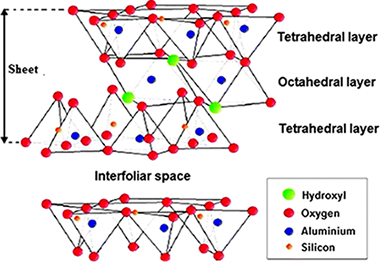
Pyrophyllite–TiO2 nanocomposite PTi750 was successfully synthesized using a sol–gel method at ambient temperature based on exfoliation of the pyrophyllite layered clay by incorporation of the TiO2 precursor titanium(IV) t-butoxide. PTi750 exhibited higher photocatalytic activity in phenol degradation compared with commercial TiO2 Aeroxide P25. Ag-photodeposited PTi750 was more photoactive than PTi750, exhibiting detoxification, total degradation, and good mineralization of polluted solution and excellent stability after five reuses at optimal conditions in terms of the parameters pH, H2O2 concentration, and photocatalyst amount. The nanocomposites were investigated using several techniques, viz. diffuse-reflectance ultraviolet–visible (UV–Vis) spectrophotometry, scanning electron microscopy, transmission electron microscopy, X-ray photoelectron spectroscopy, X-ray diffraction analysis, X-ray fluorescence spectroscopy, Fourier-transform infrared spectroscopy, and Brunauer–Emmett–Teller (BET) specific surface area measurements.

Isolation of high-level radioactive waste (HLW) in deep geological repositories (DGR) through a multibarrier concept is the most accepted approach to ensure long-term safety. Clay minerals are one of the most promising materials to be used as engineered barriers. In particular, high charge micas, as components of the engineered barrier, show superselectivity for some radioactive isotopes and a large adsorption capacity, which is almost twice that of the other low charge aluminosilicates. In addition, high charge micas are optimum candidates for decontamination of nuclear waste through two different mechanisms; namely an ion exchange reaction and a nonreversible mechanism involving the formation of new stable crystalline phases under hydrothermal conditions. In this work, we report a new in situ optical sensor based on the incorporation of Eu3+ in these high charge micas for tracking the long-term physical-chemical behavior of HLW contaminants in DRG under mild hydrothermal conditions. The incorporation of Eu3+ into the interlayer space of the mica originates a well resolved green and red luminescence, from both the 5D1 and 5D0 excited states, respectively. The formation of new crystalline phases under hydrothermal conditions involves important changes in the Eu3+ emission spectra and lifetime. The most interesting features of Eu3+ luminescence to be used as an optical sensor are (1) the presence or absence of the Eu3+ green emission from the 5D1 excited state, (2) the energy shift of the 5D0 → 7F0 transition, (3) the crystal-field splitting of the 7F1 Eu3+ level, and (4) the observed luminescence lifetimes, which are directly related to the interaction mechanisms between the lanthanide ions and the silicate network.
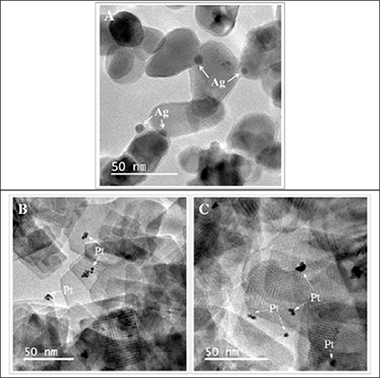
In this study, the treatment of wastewater coming from a river highly polluted with domestic and industrial effluents was evaluated. For this purpose, series of photocatalysts obtained by ZnO and TiO2 modification were evaluated. The effect of metal addition and Ti precursor (in the case of the titania series) over the physicochemical and photocatalytic properties of the materials obtained was also analyzed. The evaluation of the photocatalytic activity showed that semiconductor modification and precursor used in the materials synthesis are important factors influencing the physicochemical and therefore the photocatalytic properties of the materials obtained. The water samples analyzed in the present work were taken from a highly polluted river, and it was found that the effectiveness of the photocatalytic treatment increases when the reaction time increases and for both, wastewater samples and isolated Escherichia coli strain follow the next order Pt/TiO2 << ZnO. It was also observed that biochemical and chemical demand oxygen and turbidity significantly decrease after treatment, thus indicating that photocatalysis is a non-selective technology, which can lead to recover wastewater containing different pollutants.
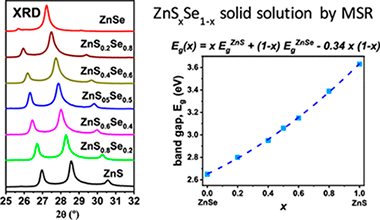
The complete ZnSxSe1-x solid solution was successfully obtained by the mechanochemical process denoted as a mechanically induced self-sustaining reaction. Excellent control of the chemical stoichiometry of the solid solution was possible by adjusting the atomic ratio of the starting Zn/S/Se elemental mixture subjected to milling. A mixture of both wurtzite-2H (hexagonal) and zinc blende (cubic) structures was always obtained, although for a similar milling time the proportion of the zinc blende structure increased with the Se content in the solid solution. However, wurtzite was the major phase for S-rich compositions when milling was stopped just after ignition. It was demonstrated that milling induces the wurtzite-to-zinc blende phase transition. The 8H hexagonal polytype was also observed in samples subjected to long milling times. Variation of the lattice parameters for both structures with the x value in the solid solution presented an excellent linearity, confirming the validity of Vegard's law. However, variation of the band-gap energy (E-g) with x was not perfectly linear, and a small bowing parameter of 0.34 was obtained. It was possible to tune the E-g value between those of the end members of the solid solution in a continuous manner by adjusting the stoichiometry of the solid solution. The morphology and crystalline domain size can also be controlled by adjusting, in this case, the postignition milling time of the mechanochemical process.
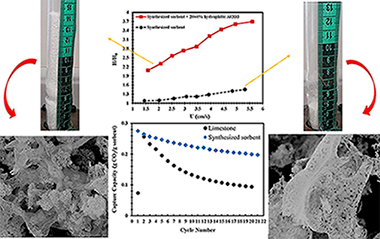
CaO-based materials have been identified as promising sorbents for highly efficient pre-combustion and post-combustion CO2 capture in fluidized beds operated at high temperatures by means of the Calcium Looping (CaL) process. However, Ca-based sorbents suffer from a decline of the capture capacity over multiple sorption/desorption cycles, mainly due to sintering, and from a markedly heterogeneous fluidization behavior due to the strength of interparticle attractive forces as compared to particle weight. The present study is focused on the development of novel synthetic CaO/Al2O3 sorbents for CO2capture with enhanced CaL performance and fluidizability by dry mixing with flow conditioner nanopowders. The influence of initial precursors on the sorbents multicycle activity at realistic CaL conditions has been investigated. The formation of a stable Ca9Al6O18 mixed-phase during the preparation of the sorbents promotes the multicycle capture capacity. The type of Ca and Al precursors, either soluble or insoluble, can significantly affect the dispersion of this stabilizer (Ca9Al6O18) in the sorbent matrix and, consequently, may affect the carbonation activity of the materials. The sorbent prepared from soluble aluminum nitrate and calcium nitrate precursors by sol-gel method exhibits a very stable multicycle capture capacity with a capture capacity around 0.2 g of CO2/g of sorbent after 21 cycles keeping a 72% of its initial capture capacity. The fluidizability of this promising sorbent was also investigated as affected by the addition of three different flow conditioners. Fluidization experiments confirmed the positive effect of using hydrophilic alumina and hydrophobic silica nanoparticles on improving the fluidizability of the synthesized sorbents.
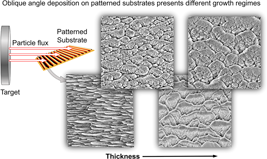
The influence of one dimensional substrate patterns on the nanocolumnar growth of thin films deposited by magnetron sputtering at oblique angles is theoretically and experimentally studied. A well-established growth model has been used to study the interplay between the substrate topography and the thin film morphology. A critical thickness has been defined, below which the columnar growth is modulated by the substrate topography, while for thicknesses above, the impact of substrate features is progressively lost in two stages; first columns grown on taller features take over neighboring ones, and later the film morphology evolves independently of substrate features. These results have been experimentally tested by analyzing the nanocolumnar growth of SiO2 thin films on ion-induced patterned substrates.
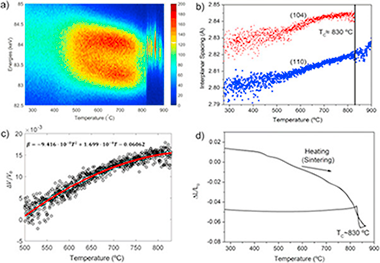
The sintering mechanism of BiFeO3 has been investigated in-situ by energy dispersive X-ray diffraction (ED-XRD) using a high-energy white collimated X-ray beam from the Advanced Photon Source (Argonne National Laboratories). Such radiation is very penetrating thereby allowing measurements of the sample even when placed inside the flash sintering set up. Additionally, the fast ED-XRD measurements permit monitoring the flash sintering process by providing information about phase composition and sample temperature in real time. Moreover, profile scans, obtained by moving the stage vertically while recording the ED-XRD spectra, permit investigating the homogeneity of the flash for the entire length of the sample. All experiments have been complemented by ex-situ studies. It has been concluded that flash sintering of BiFeO3 is a homogeneous process without any directionality effects. Furthermore, flash sintering takes place at quite low temperatures (below the Tc ≈ 830 °C), which may be related to the high quality of the samples, as pure, highly insulating ceramics without evidence of secondary phases with a homogenous nanostructured grain size distribution are obtained by this technique. Moreover, it is also evidenced that the rapid heating of the sample does not seem to justify, at least by itself, the densification process. Therefore, it appears that the electric current should play a role in the enhanced mobility during the sintering process.
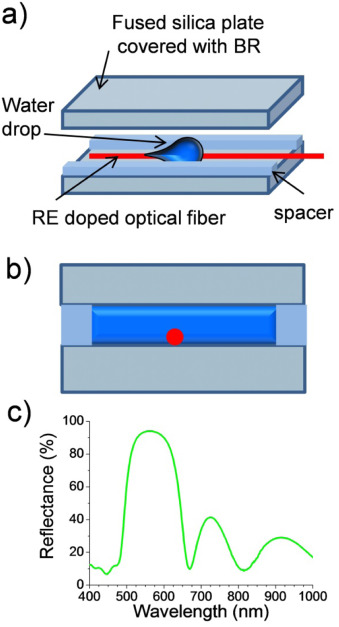
An optical temperature sensor suitable for label free liquid sensing has been designed and characterized. The sensor combines the photochemical stability of rare earth doped glasses and the high sensitivity of interferometric resonators. It is formed by a planar Eabry-Perot (FP) microcavity filled with the liquid to be monitored. A Ho3+ doped tapered optical fiber has been placed inside the microcavity surrounded by the fluid medium. An external laser is focused on the optical fiber inside the cavity to induce the luminescence of the Ho3+ ions, which couples to the FP optical resonances. The spectral position of the FP resonances is highly sensitive to the refractive index of the cavity medium. A second laser is co-aligned with the first one to locally heat the liquid medium around the optical fiber. An average blue shift of the FP resonances around 32 pm/degrees C is measured. The limit of detection of the laser induced heating of the liquid medium is about 0.3 degrees C in the biological temperature range. Alternatively, a hot-plate is used to heat the system. Interestingly, a red shift of the FP modes is observed with 75 pm/degrees C dependence and 0.12 degrees C limit of detection features.
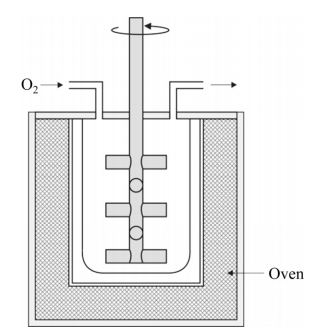
Ag-CdO composites are still one of the most commonly used electrical contact materials in low-voltage applications owing to their excellent electrical and mechanical properties. Nevertheless, considering the restriction on using Cd due to its toxicity, it is necessary to find alternative materials that can replace these composites. In this study, the synthesis of Ag-ZnO alloys from Ag-Zn solid solutions was investigated by hot mechanochemical processing. The hot mechanochemical processing was conducted in a modified attritor mill at 138 degrees C under flowing O-2 at 1200 cm(3)/min for 3.0 h. The microstructure and phase evolution were investigated using X-ray diffractometry, field emission gun scanning electron microscopy and transmission electron microscopy. The results suggest that it is possible to complete the oxidation of Ag-Zn solid solution by hot mechanochemical processing at a low temperature and short time. This novel synthesis route can produce Ag-ZnO composites with a homogeneous distribution of nanoscale ZnO precipitates, which is impossible to achieve using the conventional material processing methods. Considering the fact that the fundamental approach to improving electric contact material performance resides in obtaining uniform dispersion of the second-phase in the Ag matrix, this new processing route could open the possibility for Ag-ZnO composites to replace non-environmentally friendly Ag-CdO.
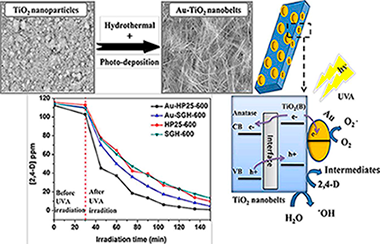
In this work, novel TiO2-based nanobelts with various phases were synthesized: biphasic TiO2(B)/anatase, pure TiO2(B) and pure anatase. These catalysts were obtained via hydrothermal reaction using two nanoparticulated TiO2 photocatalysts as precursors: Aeroxide TiO2 P25 (P25) and TiO2 synthesized via a sol-gel process (SG). In addition, the surface of the photocatalysts was modified with gold using a photodeposition method. A characterization study of the different photocatalysts was performed with X-ray diffraction analysis (XRD), UV–Vis diffuse reflectance spectra (DRS), scanning electron microscopy (SEM), X-ray photoelectron spectrum analysis (XPS) and Brunauer-Emmett-Teller measurements (BET). The photocatalytic reaction of the herbicide 2,4-dichlorophenoxyacetic acid (2,4-D) was investigated under UVA irradiation. A toxicity analysis was performed with the marine bioluminescent bacteria Vibrio fischeri. The highest 2,4-D removal efficiency of 99.2% was obtained with the biphasic Au-TiO2(TiO2(B)/anatase) nanobelts with anatase as predominant phase. Toxicity was mainly due to the intermediate 2,4-dichlorophenol (2,4-DCP) which was eliminated in 4 h. The TiO2 nanobelt phase structure is shown to have a significant effect on photocatalytic activity.

The study of the early stages of growth of ZnO on graphene supported on Cu and on highly oriented pyrolytic graphite by means of reactive thermal evaporation of metallic Zn at room temperature is presented. This growth method allows to go in depth in the study of the fundamental interaction between ZnO and graphene at the interface in quasi-equilibrium conditions. Quantitative, chemical, and morphological analysis is performed using photoemission spectroscopy, atomic force, and scanning microscopies as experimental characterization techniques and factor analysis and inelastic peak shape analysis as modeling techniques. The growth of ZnO on a highly oriented pyrolytic graphite substrate is also studied using the same growth method for comparison. The results show that, in spite that the first atomic layer of both substrates is identical, the growth kinetics and morphology of the deposits are completely different. A model for the kinetics of the growth of ZnO on both substrates is proposed.
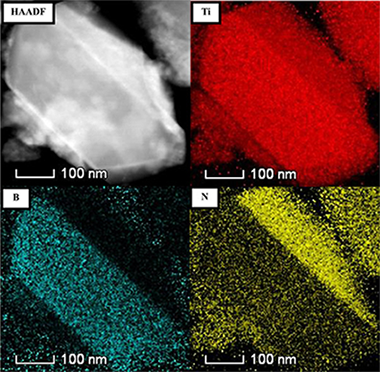
In this work, a titanium boron carbonitride advanced ceramic was successfully synthesised by a solid-gas mechanochemical reaction in a planetary ball mill from a mixture of elemental Ti, B, and C under nitrogen atmosphere. This material, with a general formula of Ti(BCN), exhibits a face-centred cubic structure (NaCl type) that is analogous to Ti(CN). This phase was gradually formed with sufficient milling time as a result of diffusional processes, which were permitted by the reduction of the energy in the system caused by the decrease in the spinning rate of the planetary ball mill. In contrast, under more energetic milling conditions, a mechanically induced self-sustaining reaction (MSR) took place, leading to the formation of a TiB2-Ti(CN) ceramic composite. The microstructural characterisation revealed that Ti(BCN) was composed of ceramic particles constituted of misoriented nanocrystalline domains. B, C and N were optimally distributed in the Ti(BCN) phase. The TiB2-Ti (CN) ceramic composite was composed of micrometric and nanometric particles homogeneously distributed. Additionally, the nitrogen content obtained for Ti(BCN) was higher than for the Ti(CN) phase in the composite material.
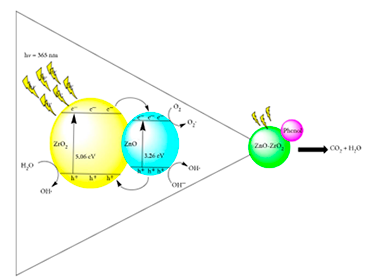
ZnO-ZrO2 nanocomposites using zinc (II) acetylacetonate and different ZnO contents (13, 25, 50, and 75% mol) were synthesized through sol-gel method. The synthesis process was strongly related to nanocomposite properties especially on their structural composition. The obtained ZnO-ZrO2 nanomaterials presented tetragonal crystalline structure for zirconia whereas hexagonal one was formed in ZnO. Raman spectroscopy and XRD patterns confirmed the formation of tetragonal zirconia whereas inhibition of monoclinic structure was observed. Addition of ZnO affected the pore size distribution of the composite, and the measured specific surface areas were from 10 m2/g (for pure ZnO) to 46 m2/g (pristine ZrO2). Eg values of ZrO2 were modified by ZnO addition, since calculated values using Kubelka-Munk’s function varied from 4.73 to 3.76 eV. The morphology and size of the nanomaterials investigated by electron microscopy showed formation of nanorods for ZnO with sizes ranging from 50 nm to 300 nm while zirconia was formed by smaller particles (less than 50 nm). The main advantage of using the nanocomposite for photocatalytic degradation of phenol was the mineralization degree, since 75ZnO-ZrO2 nanocomposite surpassed mineralization reached by pure ZnO and also inhibited formation of undesirable intermediates.

Bi3+ codoping has been proposed in this work with a twofold objective, namely, enhancing the luminescence emission of Eu3+:LaF3 nanoparticles (NPs) and increasing their X-ray attenuation capacity, with the purpose of obtaining a bimodal bioprobe for luminescence bioimaging and X-ray computed tomography. The synthesis method, reported here for the first time for LaF3 particles, allowed obtaining uniform, nonaggregated NPs using a homogeneous precipitation in polyol medium at room temperature in just 2 h. The simplicity of the synthesis method allows the large-scale production of NPs. LaF3 NPs with different Eu3+ contents were first synthesized to find the critical Eu3+ concentration, producing the highest emission intensity. This concentration was subsequently used to fabricate Bi3+-Eu3+-codoped LaF3 NPs using the same method. The emission intensity of the codoped NPs increased in more than one order of magnitude, thanks to the possibility of excitation through the Bi3+. Eu3+ energy-transfer band. The luminescence properties of the codoped NPs were analyzed in detail to find the mechanism responsible for the emission enhancement. Finally, it was demonstrated that the high atomic number of Bi3+, higher than that of lanthanides, was an added value of the material because it increased its X-ray attenuation capacity. In summary, the LaF3 NPs codoped with Eu3+ and Bi3+ presented in this work are promising candidates as a bimodal bioprobe for luminescence bioimaging and X-ray computed tomography.

Bright luminescence in rare-earth (RE) nanocrystals, the so-called nanophosphors, is generally achieved by choosing a host that enables an effective excitation of the RE activator through charge or energy transfer. Although tungstate, molybdate, or vanadate compounds provide the aforementioned transfer, a comparative analysis of the efficiency of such emitters remains elusive. Herein, we perform a combined structural and optical analysis, which reveals that the tetragonal GdVO4 matrix gives rise to the highest efficiency among the different transparent nanophosphor films compared. Then, we demonstrate that by a sequential stacking of optical quality layers made of Eu3+- and Dy3+-doped nanocrystals, it is possible to attain highly transparent white-light-emitting coatings of tunable shade with photoluminescence quantum yields above 35%. Layering provides a precise dynamic tuning of the chromaticity based on the photoexcitation wavelength dependence of the emission of the nanophosphor ensemble without altering the chemical composition of the emitters or degrading their efficiency. The total extinction of the incoming radiation along with the high quantum yields achieved makes these thin-layered phosphors one of the most efficient transparent white converter coatings ever developed.
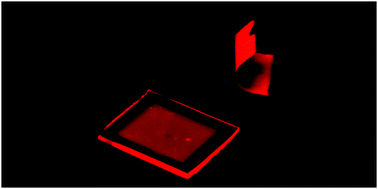
Herein, we present a general method to prepare self-standing flexible photoluminescent coatings of controlled opacity for integration into light-emitting diodes (LEDs) employing cost-effective solution-processing methods. From colloidal suspensions of nano-sized phosphors, we fabricate light-emitting transparent films that can be doped with spherical scatterers, which act as Mie resonators that trigger a controlled photoluminescence enhancement, evidenced by the reduction of the guided light along the layer. This results in an enhanced emission compared to that extracted from a bare phosphor layer. We show not only that emission is visible under ultraviolet-LED illumination for both rigid and flexible versions of the coatings, but we also prove the feasibility of the integration of these flexible conversion layers into such devices. We believe these results can contribute to develop more efficient and cost-effective illumination sources by providing efficient and easy-to-handle conversion layers susceptible to excitation by LEDs emitting at wavelengths in the near UV region.
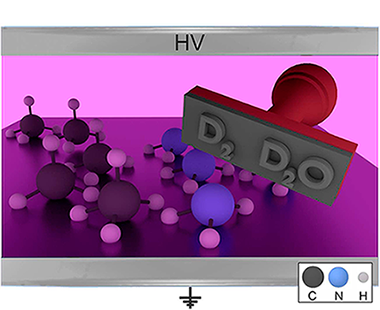
Dielectric barrier discharge (DBD) plasmas and plasma catalysis are becoming an alternative procedure to activate various gas phase reactions. A low-temperature and normal operating pressure are the main advantages of these processes, but a limited energy efficiency and little selectivity control hinder their practical implementation. In this work, we propose the use of isotope labelling to retrieve information about the intermediate reactions that may intervene during the DBD processes contributing to a decrease in their energy efficiency. The results are shown for the wet reforming reaction of methane, using D2O instead of H2O as reactant, and for the ammonia synthesis, using NH3/D-2/N-2 mixtures. In the two cases, it was found that a significant amount of outlet gas molecules, either reactants or products, have deuterium in their structure (e.g., HD for hydrogen, CDxHy for methane, or NDxHy for ammonia). From the analysis of the evolution of the labelled molecules as a function of power, useful information has been obtained about the exchange events of H by D atoms (or vice versa) between the plasma intermediate species. An evaluation of the number of these events revealed a significant progression with the plasma power, a tendency that is recognized to be detrimental for the energy efficiency of reactant to product transformation. The labelling technique is proposed as a useful approach for the analysis of plasma reaction mechanisms.
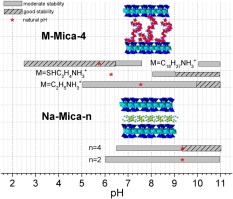
Stability of colloidal clay minerals dispersion of fundamental in many industrial processes. Therefore, surface charge of the synthetic swelling high-charged mica family, Na-Mica-n (n = 2 or 4, n is the total layer charge) were investigated to study its colloidal dispersion stability as a function of the framework and interlayer space composition. Na-Mica-n (n = 2 or 4) micas were synthesized and functionalized with ethylammonium, mercaptoethylammonium or octadecylammonium. Their zeta-potential evolutions as a function of solution pH were correlated with their structural, compositional and morphological characteristics. The results have shown that the total charge of swelling high charged micas, Mica-n, didn´t affect significantly their colloidal dispersion stability, the interlayer composition and interlayer cation arrangement were the main factors of colloidal behaviour. The synthesis and functionalization of those synthetic micas can be tuned for their optimal use.
This work describes the electric study of Lithium lanthanum titanate (La0.59Li0.24TiO3) ceramics performed by Complex Impedance Spectroscopy. The nanoparticle powders have been synthesized through high energy ball milling and sintered via Spark Plasma Sintering technique. The experimental impedance data have been analyzed using the equivalent circuit model, the Extended Jonscher universal law and the derivative method. From these models, we have determined the dielectric response as well as the grain and grain boundary conductivity. The samples show ionic conductivity values between 10(-5) to 10(-4) S cm(-1) in the studied temperature range, and activation energy values 0.24 eV and 0.48 eV for grain and grain boundary, respectively. These results confirm the Li+ ions mobility through the crystalline structure of the material.
The safety assessment of nanoparticles (NPs) is crucial during their design and development for biomedicine. One of the prerequisite steps during this evaluation is in vitro testing that employs cell-based assays not always validated and well-adapted for NPs. Interferences with in vitro assays may arise due to the nano-related optical, oxidative, fluorescent, surface and catalytic properties of NPs. Thus, proper validation of each assay system has to be performed for each NP type. This study aimed to evaluate the applicability of the most common in vitro cytotoxicity assays for the safety assessment of up- and down-converting lanthanide-doped NPs. Conventional cell viability tests and fluorescence-based assays for oxidative stress response were selected to determine the biological effects of up- and down-converting NPs to human brain cells. Comparison with known silver and iron oxide NPs was made for verification purposes. Both the plate reader and flow cytometric measurements were examined. The obtained results indicated that both types of Ln-doped NPs interfered to a much lesser extent than metallic NPs. In addition, the great potential of both up- and down-converting NPs for biomedicine was manifested due to their biocompatibility and low toxicity.
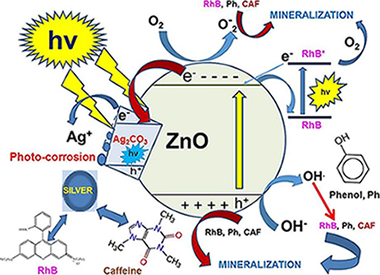
With the aim of improving the photocatalytic properties of a previously optimized zinc oxide photocatalyst, the effect of the incorporation of different amounts of Ag2CO3 on the aforementioned ZnO has been studied. For this purpose we report the synthesis, by means of simple precipitation procedures, of bare ZnO and Ag2CO3 samples as well as the coupled materials ZnO/Ag2CO3 (X) (where X = 1%, 2%, 4% and 5% in molar percentages). Both, single and coupled materials have been characterized by different techniques (XRD, XRF, N2-absorption, SEM, TEM, UV–vis/DRS and XPS). To assess the advantages or disadvantages that Ag2CO3 addition could have over the optimized ZnO, the photocatalytic properties have been established by following the photo-degradation of selected toxic molecules, both in the UV and in the visible, as well as using complementary techniques of liquid medium analyses (TOC and Atomic Emission Spectrometry with plasma ICP). Three selected substrates were chosen: Rhodamine B (RhB) as a dye, and phenol and caffeine as colourless recalcitrant toxic molecules.
Our results suggest that although the use of Ag2CO3 could be beneficial to implement the optical absorption towards the visible region, however, other effects have to be bore in mind, such as the photo-corrosion of Ag2CO3 and the chemical structure of the chosen substrate, to elucidate whether the addition of Ag2CO3 has beneficial or detrimental effects on the photocatalytic properties of the coupled ZnO/Ag2CO3 materials.
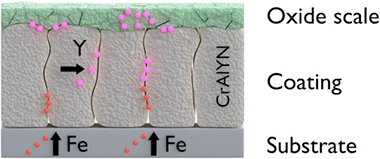
CrAlYN hard coatings with two different average Al contents: similar to 16 at.% and similar to 25 at.%, and Y concentration varying between 1.2 and 5.7 at.% were deposited by direct current reactive magnetron co-sputtering of mixed Cr-Al and Y targets on commercial M2 steel substrates. The samples were heated to 1000 degrees C in air during 2 h to study their oxidation resistance and thermal stability. The Y content is critical and the coatings present different behaviour depending on the Al content. The best oxidation resistance and thermal stability are obtained for the coating with similar to 16 at.% Al and 3.4 at.% Y. The initial film microstructure and the cubic phase (fcc-CrAlN) were retained, and a thin (Cr,Al)(2)O-3 oxide protective scale was formed. At lower Y content (1.2 at.%) iron, from the substrate crosses the coating, while a higher content (4.6 at.%) avoided the iron diffusion at the expense of a thicker oxide scale with new oxide phases. The coatings with higher Al content (similar to 25 at. %) were not thermally stable at 1000 degrees C. A good oxidation resistance was obtained for 2.6 at.% of Y although new phases (hcp-AlN and Cr-Fe) were formed. Higher amount of yttrium (similar to 5.7 at. %) led to the complete oxidation of the coating.
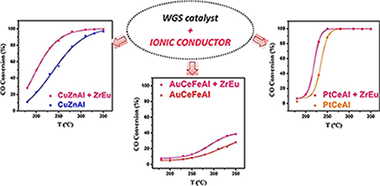
The viability of water gas shift catalytic system for mobile application passes through obligatory reactor volume reduction, achieved normally by using less charge of more efficient catalyst. Completely new concept for catalyst design is proposed: a catalytic system including classically reported WGS catalysts of different nature or active phase (Cu, Pt or Au) mechanically mixed with an ionic conductor. The influence of the later on catalyst activity is studied and discussed, more precisely its effect on the rate of the reaction-limiting step and catalysts' efficiency. It is demonstrated with this study, that the presence of an ionic conductor in contact with a WGS catalyst is essential for the water supply (dissociation and transport), thereby potentiating the water activation step, whatever the mechanism and catalyst overall performance.
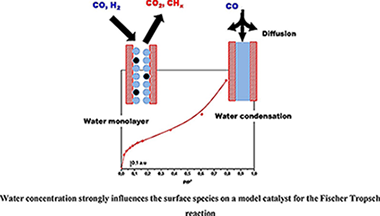
Water presence and concentration strongly influence CO conversion and CS+ selectivity in the Fischer Tropsch reaction. In this work, the influence of the water concentration was investigated using a model Ru/Al2O3 (5 wt. %) catalyst. The surface species formed after CO and H-2 adsorption in dry and wet (different water concentrations) conditions were analyzed by FTIR. Firstly, water adsorption was carried out up to complete filling of the pores and then CO was put in contact with the catalyst. The absence of adsorbed CO species in these conditions evidences that CO diffusion in water controls the access of the gas to the active sites and explains the negative effect of high water concentrations reported by some authors. Moreover, the adsorption of a mixture of CO + H-2 + H2O, being the water concentration close to that needed to have a monolayer, and a dry mixture of CO + H-2 were carried out and compared. Results evidence that water in this low concentration, is able to gasify the surface carbon species formed by CO dissociation on the metallic sites. This cleaning effect is related to the positive effect of water on CO conversion detected by some authors.

In this work, we studied the mechanical performance of an LDPE film (0.22 mm in thickness) used as a material in the design of greenhouse covers. We investigated the effects of ageing at different periods of its service life and applying chemical substance treatments used as pesticides on greenhouse crops and after breakage using mechanical traction. Numerical simulations were performed using the finite element method. For this purpose, one section of the complete geometry of the greenhouse cover and different load conditions (1-5 kPa) were considered for the modelling. The performance of the polymer was assumed to be linearly elastic to simplify the governing equations. The study demonstrated that the LDPE film used was no longer effective as a greenhouse cover film due to the degradation of its mechanical properties. It was shown that the general performance of this film was in the plastic zone and its performance was non-linear. The results deduced from the present study are of interest because they show the material failure process of greenhouse covers in relation to the degradation process.
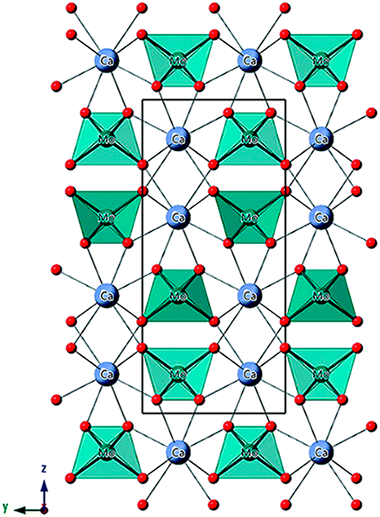
Eu3+-Doped calcium molybdate is an excellent phosphor for lighting and display devices due to the very intense pure red emission after UV excitation. It has been reported in the literature that the CaMoO4 unit cell volume expands after Eu3+ doping, in spite of the smaller Eu3+ ionic radius compared with Ca2+. Likewise, several studies found that the emission intensity of the phosphor could be improved by codoping with alkaline ions like Li+, Na+ or K+. None of these studies correlated the apparent volume expansion and luminescence enhancement with the crystal structural details. This paper analyses the aliovalent substitution mechanism and crystal structure of Eu3+:CaMoO4 and Eu3+,Na+:CaMoO4 phosphors using complementary techniques like Raman spectroscopy, EXAFS and SPD. We found that the substitution mechanism was different for both systems, with Ca site vacancies forming in the Eu3+:CaMoO4 phosphors and leading to Ca1-3xEu2xxMoO4 compositions, while the Eu3+,Na+:CaMoO4 phosphors formed Ca1-2xEuxNaxMoO4. SPD showed that the cell volume expansion observed with increasing Eu3+ content is related to the increase of the Mo-O bond distance due to the higher electronegativity of Eu3+ compared with Ca2+. Finally, it was shown that the luminescence properties, i.e. lifetime values and quantum yields (the latter reported here for the first time), do not depend on the presence of monovalent ions in the crystal structure but, exclusively, on the Eu3+ content of the phosphor. The integral and detailed analysis of the materials presented in this paper, ranging from crystal structure to luminescent properties including elemental composition, allows a full picture of the structure-property relationships that had never been addressed before for CaMoO4-based phopshors.
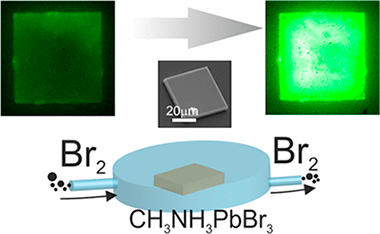
The peculiar defect chemistry of hybrid organic–inorganic lead halide perovskites is believed to be partially responsible for the outstanding performance of this solution-processed material in optoelectronic devices. While most effort has been put on the management of halide defects (the ones presenting the highest mobility) for CH3NH3PbI3, its bromide counterpart has not been so widely studied. Although the former is the material of choice for photovoltaics, the latter is present in most light-emitting applications. Here, we report how the exposure of CH3NH3PbBr3 single crystals to a bromine atmosphere strongly affects its emission properties. Such improvement takes place in the absence of apparent signs of degradation and remains for tens of hours. We propose an explanation based on the defect structure for this material where bromine-related defects can act as deep or shallow traps. These results are of relevance for a material expected to be present in a new generation of solution-processed light-emitting devices.
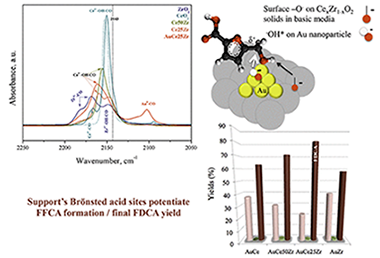
A series of CexZr1-xO2 supports with different Ce/Zr molar ratios were utilized for the preparation of gold catalyst used in the selective oxidation of 5-hydroxymethyl-2-furfural to 2,5-furandicarboxylic acid. The used method of gold deposition allows the preparation of gold particles with homogeneous size and shape distribution, a formulation very useful for studies dedicated to revealing the support participation in the reaction. The supports are characterized by Fourier transform infrared spectroscopy using CO as probe molecule, and the sample catalytic activity is thereafter correlated to the support acid site distribution. The possible participation of its Lewis/Bronsted acidity in the reaction mechanism is also proposed.
icms
[+34] 954 48 95 27

 |
 |
 |
 |
 |